
Coving
Coving is a protective and hygienic flooring solution installed at the junction of floors and walls. It creates a smooth, curved transition that eliminates sharp corners, preventing dirt accumulation and making cleaning easier. Coving is widely used in industrial and commercial environments where hygiene, durability, and seamless finishes are essential.
What is Coving?
Coving is a concave strip or curved edge formed between the floor and wall using epoxy, PU (polyurethane), or cementitious materials. It strengthens vulnerable wall-floor joints and provides a continuous, seamless surface that enhances both functionality and appearance.
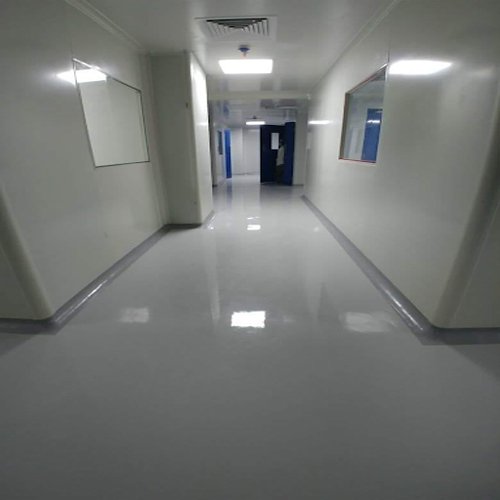
Key Features of Coving
- Seamless Finish – Eliminates gaps between wall and floor
- Improved Hygiene – Prevents dirt and bacterial buildup
- Moisture Resistant – Protects against water penetration
- Impact Resistant – Shields wall edges from damage
- Chemical Resistant – Suitable for harsh industrial environments
- Easy Maintenance – Simplifies cleaning and sanitation
Types of Coving Systems
- Epoxy coving
- PU (Polyurethane) coving
- Cementitious coving
- Tile coving
The type of coving system is selected based on the flooring material and environmental requirements.
Applications
Coving is ideal for:
- Pharmaceutical facilities
- Food processing plants
- Commercial kitchens
- Hospitals and healthcare centers
- Laboratories
- Clean rooms
- Warehouses and manufacturing units
Benefits of Installing Coving
- Enhances hygiene and cleanliness
- Protects structural corners from wear and damage
- Complies with sanitation standards
- Improves the overall finish of flooring systems
- Extends the life of floors and walls
